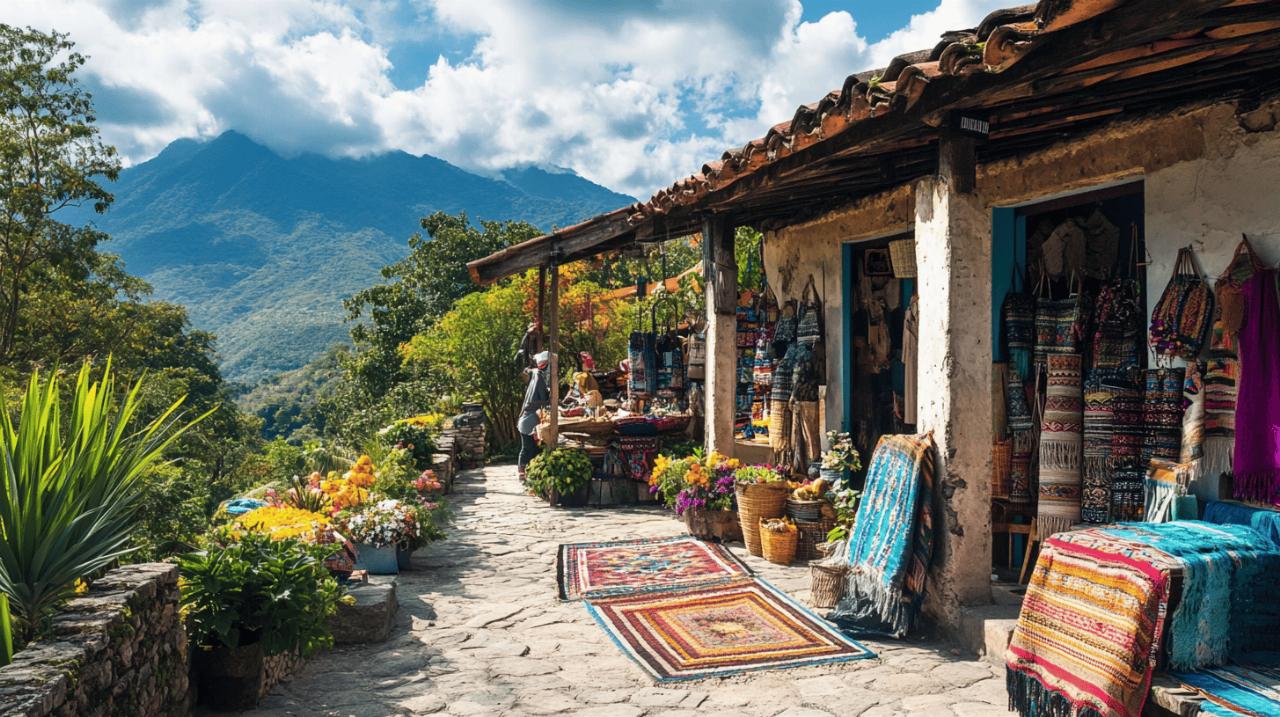
Choosing where to settle when the goal is year-round sunshine and a lighter environmental footprint means weighing up more than just temperature charts and property prices. Portugal, Spain and Costa Rica have each become magnets for people seeking warm climates, but the way these nations generate their power says a great deal about the kind of life you might build there. From solar farms stretching across the Iberian Peninsula to a Central American nation that runs almost entirely on renewables, the energy infrastructure underpinning daily life can shape everything from utility bills to job prospects for newcomers.
Key takeaways
- Portugal is advancing toward full decarbonization by leveraging its hydroelectric, wind, and solar assets to ensure long-term energy price stability for residents.
- Spain has transformed into a leader in solar and wind energy, creating a growing job market for professionals in engineering and sustainability consulting.
- Costa Rica stands out globally for consistently generating nearly all its electricity from renewable sources like hydroelectric, geothermal, and wind power.
- The energy policies in these three nations directly influence the local cost of living, as reliance on renewable energy helps protect households from global fuel price volatility.
- Newcomers to these countries can find professional opportunities in green sectors, with Portugal and Spain offering established expat networks and Costa Rica focusing on eco-tourism and environmental education.
- While these destinations offer a sustainable lifestyle, expats should carefully research regional living costs, as the popularity of certain areas has driven up local prices.
- These nations integrate their environmental commitments with broader public services, such as Costa Rica's highly-regarded healthcare system and the infrastructure supporting expatriate communities in Southern Europe.
Renewable energy landscape and sustainability commitments across three sun-soaked destinations
Southern Europe has quietly become a testing ground for ambitious climate targets, and both Portugal and Spain are proving that sunshine can be turned into genuine economic advantage rather than simply a lifestyle perk.
Portugal's progressive shift towards clean power generation
Portugal has steadily built a reputation as one of Europe's cleaner energy performers, drawing heavily on hydroelectric dams, wind farms along its Atlantic coastline, and an increasing share of solar generation in the sun-drenched Alentejo region. The country has set out clear decarbonisation goals, aiming to phase out fossil fuel dependency well ahead of many of its neighbours. For anyone weighing up a move, this matters practically as well as ethically, since a national grid leaning on renewable sources tends to offer more stable pricing over time, insulating households somewhat from the volatility of imported oil and gas. Lisbon and Porto have also become hubs for green innovation, attracting engineers and entrepreneurs working in clean technology, which has knock-on benefits for the wider expatriate job market.
Spain's solar revolution and wind energy leadership
Spain, meanwhile, has leaned hard into its natural advantages, with vast stretches of Andalusia and Extremadura hosting some of the continent's largest solar installations. Wind energy also plays a substantial role, particularly in Galicia and Aragón, and the combined effect is a national grid that increasingly leans on clean sources during peak sunshine hours. This shift towards a sustainable energy mix has coincided with growing investment in green jobs, meaning newcomers with backgrounds in engineering, sustainability consulting or renewable project management may find more doors opening than they expect. Spain's regional governments have also introduced incentives for solar panel installation on residential properties, which is worth investigating for anyone planning to buy rather than rent.
Costa rica's remarkable green energy achievement and environmental credentials
While Iberia impresses with scale and ambition, Costa Rica offers something rarer still: a small nation that has, for extended stretches each year, managed to run its entire electricity grid on renewable sources alone.
Understanding costa rica's near-complete renewable energy grid
Costa Rica's success stems largely from its abundant hydroelectric resources, supplemented by geothermal plants tapping into volcanic activity and a growing contribution from wind turbines in the Guanacaste region. This combination has allowed the country to achieve remarkably high proportions of clean electricity generation across most of the calendar year, a feat that few nations anywhere in the world can match. The government has paired this achievement with strong forest conservation policies, reversing decades of deforestation and turning Costa Rica into something of an environmental case study for policymakers elsewhere. This isn't just a point of national pride either; it directly shapes the everyday experience of anyone living there, from the reliability of electricity supply to the broader cultural emphasis on sustainability that permeates local business and community life.
How Green Infrastructure Influences Daily Living Costs and Quality of Life
A grid dominated by hydroelectric and geothermal power tends to be less exposed to the price swings that come with imported fuel, which can translate into more predictable household expenses. Costa Rica's approach to sustainability also extends into ecotourism and organic agriculture, industries that have created niches for expats interested in wellness, hospitality or environmental education. That said, the trade-off is a cost of living that has risen in popular expat zones such as the Central Valley and the Nicoya Peninsula, so newcomers should budget carefully rather than assume tropical simplicity automatically means cheap living.
Practical Implications for Expats: Healthcare, Education, and Community Access in Eco-Conscious Nations
Energy policy rarely exists in isolation, and in all three countries it tends to correlate with broader investment in public services, infrastructure and the kind of international community that makes settling in easier.
Comparing Expatriate Communities and Professional Opportunities in Green Energy Sectors
Portugal and Spain both benefit from established expatriate networks, particularly along coastal regions like the Algarve and Costa del Sol, where decades of British and Northern European migration have created a comfortable blend of local and international life. These networks often extend into professional circles too, with recruitment agencies increasingly seeking talent for solar and wind projects. Costa Rica's expat community, while smaller, is notably active in sustainability-focused ventures, and its healthcare system consistently ranks well regionally, offering both public coverage through the Caja system and a robust private sector that many newcomers opt into for faster access.
Retirement considerations: affordable living with sustainable infrastructure
For retirees, the calculus often comes down to a balance between affordability, healthcare quality and the ease of settling into a welcoming community. Spain and Portugal offer relatively straightforward residency pathways for retirees from many countries, alongside healthcare systems that rank highly by international standards and benefit from the same infrastructure investment that powers their green energy ambitions. Costa Rica, meanwhile, appeals to those seeking a slower pace and closer connection to nature, with its pura vida philosophy reinforced by a national identity built around environmental stewardship. Whichever destination ultimately wins out, it's clear that the strength of a country's energy infrastructure now plays a far greater role in expat decision-making than it once did, reflecting a wider shift towards choosing not just where the sun shines, but how sustainably that sunshine is being harnessed.